Treeless Saddles - Why and How?

Jenny Austin • September 15, 2023

Why saddles with trees can be a fitting nightmare
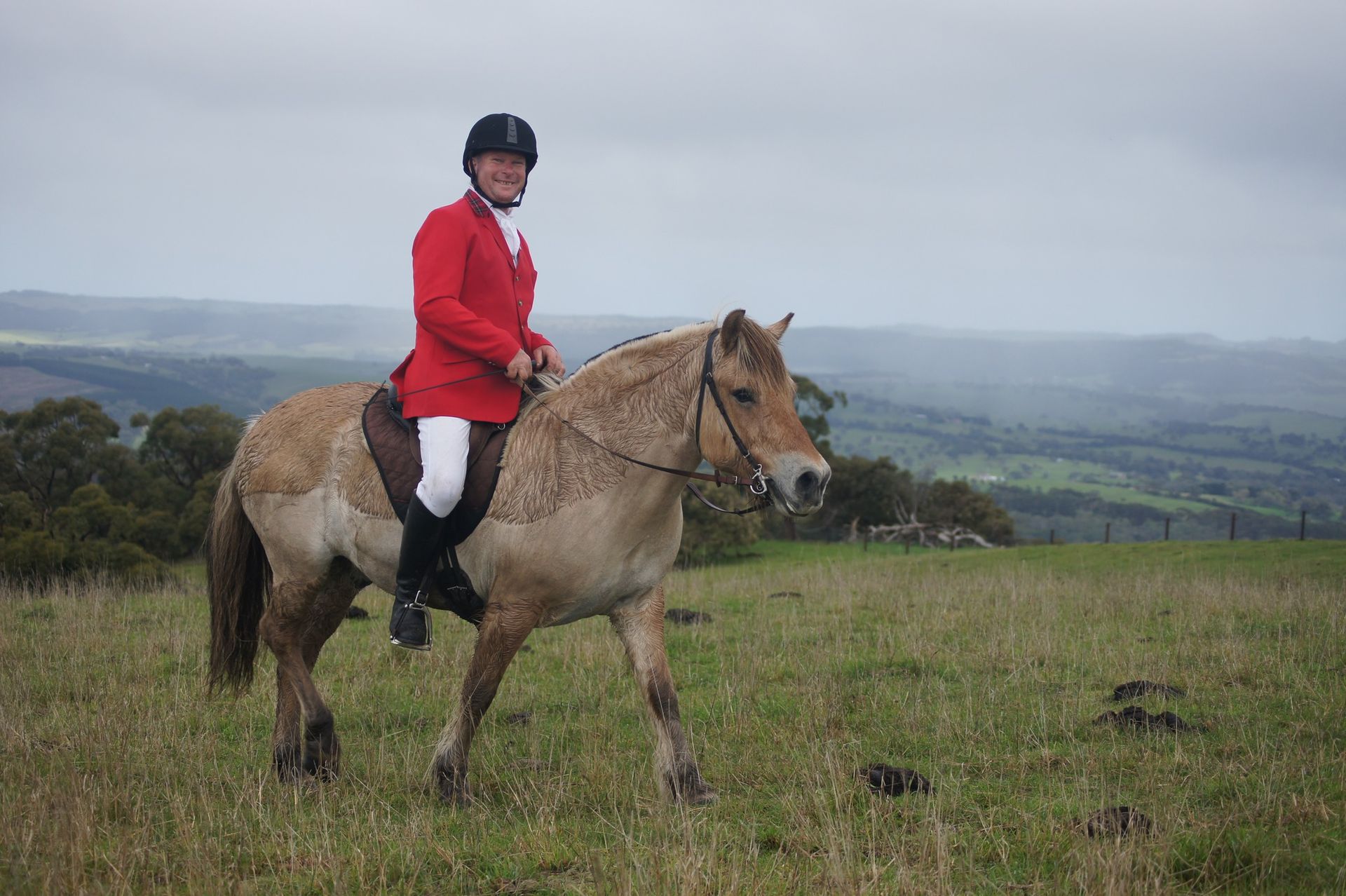
The article below was written by Jenny many years ago. These days we commonly use Freeform Treeless Saddles for starting and training horses. And yes, Richard has hunted in a treeless Ghost Saddle!


Many riders have had problems with saddle fit at one time or another. It is a common topic on among horse owners, you can see it daily on the various horse forums, and it is not unusual for some people to spend huge amounts of money on one saddle after another that just do not work for their horses even though they may have been professionally fitted to the horse. Even a made-to-measure saddle can fail to fit!

How can this happen ? The main reason is that a traditional treed saddle is fitted to a static (not moving) horse. This is highly deceptive and does not allow for a moving back and shoulders.

Also, horses change shape a lot during their lifetime with growth, weight and muscling altering from week to week in some cases. These changes mean that the fitted treed saddle would need to be adjusted whenever a body fluctuation takes place.

So, how, and why does the tree cause problems for the horse ?

The tree points extend down either side of the pommel arch. It is made of steel and the points are shaped like butter knives. It is obvious that they can cause pressure, digging into the muscles. Long term damage can extend to nerve damage and muscle atrophy, specifically the trapezius muscle. As the horse turns and bends, the tree points dig in and this is a problem with any horse, even narrow ones.

As the horse moves, the shoulder blade (scapula) moves backwards and forwards. When it is furthest back, the top of the scapula pushes against the tree point. This will actually push the tree across the back at an angle.

There is a myriad of ways that the tree can cause pain and damage to the horse during motion. The most common saddle fit problems that can be solved by treeless saddles are – bridging; squashed shoulders from tight gullet; loin damage from too long panels; pressure points to top of scapula; wither damage from no wither clearance; pressure from saddles that roll on flat backed horses; and more!

Pain in the horse is shown in various ways. Some horses are stoic and things must get really bad before they will show their discomfort. Some horses are good communicators and will let you know straight away. Unfortunately, their way of communicating to us is often thought to be “naughtiness.” They are then forced to accept the discomfort by training. Usually, the more advanced trained horses will not show their discomfort until it become extreme because they dare not.

Any undesirable behaviours might be a sign of pain – check it out before you accuse the horse of being naughty.

But weren’t trees invented for a good reason?

Most people would guess that trees in saddles are there to protect the horses back and distribute the rider’s weight evenly.

The actual reason is to help keep the riders on the horse during combat. Stirrups were first made in around 300 AD to better keep the riders on the horses. By 600 AD the saddles were made large enough to carry a massive knight in amour and all his weapons. The tree was necessary to hold the stirrups securely and stop the saddle from slipping under the weight of the soldier. The next step was the stuffing which protected the horse from the tree.

The weight distribution aspect is a trick – it is impossible if you put an unyielding, stiff object between two mobile creatures.

How can a treeless saddle work for horse and rider?

Treeless saddles are constructed of several layers of leather, foam, synthetic fur, and other shock absorbing materials. The saddle molds softly around the horses’ body and follows every move, without restriction. The horse’s stride lengthens and the movement of the shoulders and back is free and more powerful as the horse moves forward with more relaxation and ease.

The rider sits nicely ‘on’ and not above the horse, gaining a very close contact and intimate connection with the animal. Balance, harmony and improved comfort for horse and rider, are the most obvious advantages for the rider.

The soft structure and flexibility of our saddles enables the horse to move without losing its natural grace, allowing full ‘range of movement’ while carrying the rider. The horses back can arch and thus enhances vertical and lateral movement of the thoracic vertebral column. The rider is placed right behind the wither therefore avoiding pressure on the loins while allowing full range of movement of the shoulder blades. This way the riders’ weight is carried without causing pain, discomfort, and damage to the horse's body.

The horse should ideally not have any weight bearing beyond T14 but definitely no saddle should load the horses loin area behind the last rib (T 18) The area on the horse's back equipped to carry us the most comfortably is between the 9th and 14th thoracic vertebrae, this area is in fact a lot smaller than most of us think. This is particularly true if you own a horse that is short in the back. The further we move away from the horse's centre of gravity the more likely it is that soundness problems will occur.

Treeless saddles wraps the rider’s weight around the horse’s centre of gravity. If you look at your buttocks and upper thighs and compare the size of that area with the panels of a treed saddle you might find that the treeless rider actually distributes their weight over a larger area than the rider in a conventional saddle.

What about protecting the spine of the horse?

The seat bones of the rider are naturally positioned to the left and right of the horse’s spinous processes and not on top. Additionally, the cushioned saddle sitting area plus the therapeutic saddle pad and the panels of the saddles protect both horse and rider from pressure spots. Treeless saddles have been used by endurance riders for close to 20 years in Europe and the US. You can trust that it is in fact a myth that we need lots of clearance over the horse’s spine, as long as there is no direct pressure on the dorsal processes no harm is done. Thermal imaging and high-tech pressure tests of our saddle brands have shown that there is no pressure directly on the spine provided they are used as recommended. The Barefoot saddles also give excellent wither clearance and they have a smart in-built panel system to generate spinal clearance, they are therefore also recommended for high withered horses in combination with a special saddle pad. Some horses are very sensitive and / or have missing topline, and there are a number of options available to pad under the saddle to suit.

What does it feel like to ride treeless?

That depends on the brand but some of the softer saddles it is similar to bareback riding, only more comfortable and safer in that the rider is supported by the front and rear raised parts of the saddle and fenders or stirrup leathers are usually attached, but they are removable.

Other treeless saddles feel more like a normal saddle to the rider but it provides a better contact and all the other benefits of a treeless saddle. Some saddles have a twist more similar to a conventional English saddle and therefore the adjustment for the rider is minimal. In these saddles you will not sit as wide which makes it also suitable for riders with impaired hip joints.

Provided you have a well-fitting set up, treeless riding is the most comfortable way to be on a horse, comfier than riding bareback and once you have ridden in one for a while you will be surprised how uncomfortable, hard, and rigid your former favourite traditional saddle now feels. You will be amazed at how you feel that you are sitting “on” your horse and can feel every movement of the back and really be part of your horse.

Are there any restrictions to the using these saddles?

A treeless saddle should only be used with a special additional pressure-absorbing underlay at all times. This underlay needs to have top quality shock absorption, a contoured shape allowing for the horses wither, it needs to create a channel over the spine and it must be made from a breathing skin friendly material. The harder you work your horse the better the padding needs to be.

Some brands have weight restrictions so be aware of this and be honest about your weight!

Some brands of saddles have restrictions on how high you can jump in them, most are fine up to 1 metre so if you wish to jump higher, enquire about the jumping restrictions.

Some saddles do not have a narrow twist therefore you are sitting as wide as your horse really is. Rule of thumb is, if you are comfortable on your horse riding bareback you will be comfortable in the saddle.

Beginner riders would be well advised to take riding lessons with a good instructor; it is simply fairer on the horse and a lot safer for the rider. Dressage is the foundation to any style of riding, so it is the best place to start. Beware of instructors who will ask you to nag your horse rather than to help you to improve your balance, aids, and timing re-release of pressure. Generally, we find the best instructors have a back ground in classical dressage or centred riding techniques. The treeless saddles can be a wonderful training aid in learning a very good seat and to teach you sensitivity to your horse’s movement. You will have a definite advantage in these saddles due to the close contact and you will therefore learn faster than in a treed saddle. You are not held in a position but will learn to carry your own bodyweight in a balanced way which your present and future horses will appreciate.

It is recommended using a well-fitting breastplate with all saddles they should be especially for hill work. A breastplate will stop your saddle slipping sideways or back in hilly terrain and works like a safety belt in case you are riding with a loose girth. Terrible accidents with all sorts of saddles could have been prevented if only the rider had remembered to put that breastplate on. To ride endurance without breastplate means asking for trouble and there are discussions going on to make the use of them compulsory.

Endurance riders and others that spend long hours in the saddle will have special requirements – talk to the supplier to make sure your needs are met.

Not all “Treeless” Saddles are the same!

A treeless saddle, when set up incorrectly, when it is badly designed or lacking the right type of underlay can create numerous problems for your horse’s back. Not all treeless saddles are created equal and the right underlay is extremely important.

Treeless saddles are gaining appreciation by riders and their horses worldwide and are now found in international competitions of most equestrian disciplines. Treeless saddles were officially approved for EA competitions in Australia in February 2006. Treeless saddles are taking Europe, the US and Australia by storm because of the great design, versatility, and the affordable price.
By Richard van Dijk July 23, 2026
Starting a horse under saddle is a big investment — financially, emotionally, and for the horse’s future. And because it’s such a big step, it’s completely understandable that people look for trainers who seem confident, capable, or who promise quick results. It’s also understandable that people compare prices. Horses are expensive, life is expensive, and everyone is trying to make the best decision they can. The tricky part is that in the horse world, it’s not always easy to tell the difference between training that looks impressive… and training that is actually good for the horse. Some approaches produce fast results, sometimes within a few weeks, and to someone watching from the outside, it can look like amazing progress. The horse is moving, responding, going under saddle, maybe even cantering or “working in a frame.” It’s natural to think, “Wow, that trainer is good.” And for many owners, another thought follows quietly behind it: “ If it’s this fast, maybe it’ll cost me less. ” That’s a very human, very understandable reaction. But fast doesn’t always mean fair. And quiet doesn’t always mean calm. And “going nicely” doesn’t always mean the horse understands what’s being asked. Often trainers are seen at all the fast gaits which impresses people, but does the horse stand for mounting? Does the horse walk calmly on a loose rein at all times? Does the horse only know to have high energy or has it been taught that slow and calm is it’s first go-to? Most owners aren’t taught how to recognise fear‑based training. Why would they be? It’s not their job. They’re doing their best with the information they have. And fear‑based training can look very polished when you don’t know what you’re looking at. The truth is that horses — especially young, green horses — are not physically or mentally ready for certain movements early on. They’re not built to canter circles, carry a rider in collection, or “be on the bit” for quite some time. When they do these things early, it’s usually because they’re overwhelmed, confused, or trying hard to avoid pressure. Sometimes they even look very quiet — not because they’re relaxed, but because they’ve gone a bit shut down. To the untrained eye being shutdown isn’t dramatic; it’s subtle. It’s just a horse that has stopped offering opinions because it’s trying to cope. To someone watching, it can look like good behaviour. To the horse, it’s simply self‑preservation. None of this makes the owner wrong. None of this means they’ve made a bad choice. It just means the horse world is full of mixed messages, and it’s easy to get swept up in what looks like progress. A good start is slower, more thoughtful and way more boring to watch. It builds understanding, confidence, balance, and trust — the things that last a lifetime. How Slow, Thoughtful Training Prevents Problems Later When a horse is started quietly and with care, it learns how to cope with new experiences without becoming overwhelmed. It learns how to stay balanced, how to organise its body, how to respond to pressure without fear, and how to trust the person working with it. This kind of foundation pays off for years to come. Horses that are started thoughtfully tend to stay more confident in new environments; handle pressure without panicking; develop better balance and posture; stay sounder because they’re not pushed too early; understand their rider instead of guessing; offer genuine willingness instead of forced compliance. They’re also far less likely to develop the “big” problems people talk about later on — bucking, bolting, rearing, refusing to go forward, or becoming “difficult.” Most of those behaviours aren’t random. They’re the result of confusion, imbalance, or fear that started early and grew over time. A thoughtful start prevents those seeds from being planted in the first place. It’s not just about the first few months. It’s about the next twenty years. Choosing a Trainer Carefully Choosing someone to start your horse is one of the most important decisions you’ll make in your horses life. It’s completely understandable that people look at price, timelines, confidence, or how quickly a trainer can “get things done.” Perhaps the best question to ask isn’t “How fast will my horse be going?” It’s “How will my horse feel while they’re learning?” A good trainer won’t rush your horse. They won’t push movements the horse isn’t ready for. They won’t rely on fear or overwhelm. They won’t promise dramatic progress in a few weeks. Instead, they’ll focus on: clarity; balance; confidence; understanding; welfare; long‑term soundness and building a horse that stays willing, curious, and safe. It’s okay to take your time choosing. It’s okay to ask questions. It’s okay to prioritise your horse’s wellbeing over speed or cost.  A thoughtful start is an investment — not just in training, but in your horse’s future.
By Richard van Dijk July 23, 2026
We’re Terrible at Marketing, But Horses Don’t Care There’s something we’ve noticed in the horse world: the people who are genuinely good with horses are often absolutely hopeless at marketing. Yes, we’re talking about ourselves. At Train Teach Trim, we’re not exactly the poster couple for modern business promotion. We don’t have slick videos, fancy graphics, or a social media strategy. Most days we’re just trying to get through the never‑ending list of jobs without forgetting where we put the hoof pick. By the time we’re done trimming, training, feeding, fixing something that broke for no reason, and finally get inside at the end of the day, we smell like… well, probably hoof shavings. Which is not exactly “Instagram ready”! Technology? Let’s just say Richard barely knows how to use his phone. If it rings, it’s a toss up whether he’ll answer it or stare at it like it’s trying to communicate in Morse code. Jenny’s better, she can actually operate the thing, but she’s still busy, tired, and usually dealing with something more important than a screen. Horses don’t care about apps, notifications, or whether you’ve posted a reel today. Here’s the thing: Being crap at marketing has nothing to do with being good at horses. We’ve spent decades quietly helping horses who are sore, confused, shut down, overwhelmed, or just thoroughly unimpressed with humans. We often have crossed fingers behind our backs, hoping for that “clean slate” horse that’s ready to learn without unpacking any baggage first. We’ve seen horses go from “Eeek! I’m leaving!” to “Ah, I get it now!” They soften and start thinking again, not because we’re magical horse whisperers, but because we explain things in a way horses actually understand. It’s not gimmicky, it’s just understanding them. When we talk to people face to face, and anyone who knows Richard knows he likes a chat, they often say things like: • “Oh that makes so much sense.” • “I wish I’d found you sooner.” • “Why doesn’t everyone train like this?” We get those comments all the time. It’s always good to know we’re not completely talking rubbish. Maybe there’s nothing wrong with being the kind of horse people who don’t shout about what they do. Who aren’t “on trend” or trying to turn every moment into content, using horses like props for engagement. Maybe there’s value in just doing good work, consistently, ethically, calmly, even if fewer people see it. There are plenty of quiet achievers out there, doing things well, caring more about the horses than the spotlight. People who end the day tired, sweaty, and smelling faintly of hoof — because they’ve been doing the real work.  We’re terrible at marketing. But we’re very good at horses. Honestly, we’d rather it be that way.
By Richard van Dijk July 20, 2026
Duty of Care Means Saying the Hard Things We often have horses come to us for retraining, restarting, tune‑ups, or simply an assessment because the owner wants to ride again, prepare the horse for sale, or understand its behaviour. Sometimes the horse has been out of work for a long time. Sometimes it was bought sight unseen. Sometimes it has a history of unwanted behaviour. From the moment a horse arrives, we begin assessing it. Nothing dramatic — just the basics: simple groundwork, handling, tying up, grooming, watching how it stands, how it moves, and how it reacts to new information. We pay close attention to posture, symmetry, balance, behaviour, emotional state, and the quality of its movement through all gaits. The way a horse walks, the way it transitions, how it carries itself, and how freely or reluctantly it moves all tell us a great deal about what is happening inside its body and mind. It is never just a quick lunge or a few minutes in the saddle. It is a thoughtful, whole‑horse evaluation shaped by two lifetimes spent around horses. We also consider what we know about the horse’s future, the owner’s intentions, and the capabilities of the person who will ultimately be handling or riding it. Sometimes the horse itself is perfectly decent, just not suitable for the rider, the job, or the expectations placed on it, and that becomes clear very early on. Quite often, and usually earlier than people expect, we discover that the horse isn’t simply rusty or cheeky or in need of a tune‑up. We find physical issues, emotional trauma, behavioural dysregulation, or a combination of all three. When, in our professional opinion, a horse is unsafe, unpredictable, unfit for purpose, or simply not suitable for the job the owner has in mind, we have to say so. It is far kinder to be honest early than to let someone invest weeks or months into a situation that is never going to be safe. Delivering that kind of news is always stressful. No one wants to hear it. Owners come to us with hopes and dreams for their horse; they invest in its future because they want things to work out. Hearing that those dreams may not be possible is devastating. Shock is common. Denial is common. Tears are not unusual. We understand all of it. Horses can break hearts as easily as they lift them, and we have had our own share of broken dreams and tragedies over the years. Our duty of care, to both the horse and the owner, means we must be honest. Pretending a horse is safe when it isn’t is negligent. Some trainers choose to cover up the dangers, and the reasons vary. Perhaps they are saving face, avoiding the appearance of failure, telling people what they want to hear, feeding an ego, or simply refusing to acknowledge the truth. Whatever the reason, it does not help the horse, and it certainly does not help the owner. One of the hardest parts for us comes after we have been honest. Sometimes the owner, unable to accept the assessment, sends the horse to another trainer, then another, and another. Eventually they find someone who tells them exactly what they want to hear. The horse has not suddenly become safe or sound. The issues have not disappeared. Someone has simply pushed it hard enough to produce a few weeks of shut‑down “good behaviour,” or they just lie and say all is well. Once the horse reveals the truth (again), as it will — because horses cannot act — the awful cycle begins. The horse gets passed on, sold, moved along, rehomed, advertised as a project, given away. Sometimes this happens over and over. It never ends well. Recently we saw one of these horses, one we had assessed, one we knew was unsafe and unsound, listed as a “Giveaway to good home. Currently out of work (no fault of his own) and needs someone to put more time into him to bring him back into work. Very sweet, loving boy. Or if someone is willing to put some time into him and sell him on. No known soundness issues. Must go ASAP. Just needs someone to give him a chance.” We know how this story ends. We have seen it too many times. The horse is not being given a fresh start; it is being given another chance to fail in a system that does not recognise its needs.  Sadly, we cannot do much about it. All we can do is continue to be honest, continue to advocate for the horse, continue to carry out thorough assessments, and continue to tell the truth, even when it is hard to hear. Sometimes the kindest thing you can do for a horse is not to train it harder, but to accept what it is telling you.
By Richard van Dijk June 30, 2026
Neck Yields, Lateral Flexion, and the One Rein Stop: Why They’re Not the Same Exercise There’s a lot more depth to this topic than we can fit into one article, and each exercise has layers of nuance in how it’s taught and applied. Consider this a broad overview of how we see and use these exercises. In the equestrian world, few topics get blended together—and misunderstood—as often as neck yields, lateral flexion, and the one rein stop. Many trainers teach them interchangeably or use one term to describe all three. But these exercises serve very different purposes, create different responses in the horse, and should be taught as separate skills. In our program, we make a clear distinction between them. This clarity helps horses learn more confidently, keeps riders safer, and supports correct biomechanics rather than fighting against them. Let’s break down each exercise, what it actually does, and why separating them matters. Neck Yield: A Calm, Stationary Bend Toward the shoulder/girth A neck yield is the simplest of the three exercises—and one of the most misunderstood. It is not lateral flexion. It is not a disengagement cue. It is not even a movement exercise. A neck yield is simply this: the horse bends its neck toward the girth or saddle area while keeping all four feet still. Neck yields are both a communication tool and a relaxation tool. They help the horse soften to one rein, lower the head to activate a calming response, stay mentally present during saddling and groundwork, and show the eye clearly so we can assess attention and emotional state. They also develop a habitual response: bend the neck → stop the feet. This last point is important. When taught consistently, the neck yield becomes the foundation for a safer one rein stop—not because we force the hindquarters to disengage, but because the horse has learned to stop when flexed. This is training through habituation, not force. One Rein Stop: A Learned Emergency Response The one rein stop is an emergency tool only. It should not be used as a routine training method, and it should not be taught by mechanically disengaging the hindquarters. When a horse has learned through neck yields to stop its feet when the head is brought around, the one rein stop becomes safer, clearer, less physically stressful, and less likely to cause panic or imbalance. Instead of forcing the hindquarters to swing out—which can strain joints and muscles—the horse simply performs the same learned response it already knows: bend → stop. This approach keeps the horse’s body aligned, keeps the power “in the hindquarter,” and avoids the biomechanical problems caused by forced disengagement. True Lateral Flexion: A Moving, Body‑Bending Exercise Lateral flexion is often mistakenly taught at a standstill by pulling the horse’s head around. But true lateral flexion is a movement exercise, not a stationary one. It involves a tiny amount of flex through the spine, creating a light curve, plus the neck arching slightly inwards, and then lateral movements of the legs complete it. We teach it in-hand through a small, progressive “clock exercise,” beginning with tiny quarter circles around the handler, encouraging the horse to step underneath with the hind legs, building toward full circles, and expanding the circle as the horse gains balance and understanding. Lateral flexion connects the rein to the whole body, teaches correct circle biomechanics, encourages hindquarter engagement rather than disengagement, improves balance, suppleness, and coordination, and prepares the horse for correct ridden work. It is a gymnastic exercise—not a stopping cue, not a neck bend, and not an emergency tool. Why We Don’t Use Hindquarter Disengagement Many training systems rely heavily on disengagement of the hindquarters. We don’t—and here’s why. It doesn’t relate to practical riding situations such as traffic, narrow paths, or group rides. In those environments, swinging the hindquarters out could be dangerous. Disengagement also changes direction when the goal is simply to stop forward movement, which can inadvertently teach the horse that it’s acceptable to avoid going where we intended. It contradicts the stop required in most disciplines, where the horse should halt straight and facing forward. It creates a second, conflicting stopping method, which leads to confusion and, ultimately, stress for the horse. Disengagement forces power out of the hindquarters, increasing the risk of strain or injury, and it doesn’t support correct biomechanics. We want horses to engage their hindquarters to stop straight, not disconnect them. Finally, disengagement relies on physical force rather than trained, calm responses. Training should build habitual, confident reactions—not depend on overpowering the horse. A word on Straightness Crookedness isn’t caused by lateral work. It’s caused by skipping the basics. Straightness begins in simple leading: forward in a straight line, backward in a straight line, and square halts. These foundational skills set the horse up for correct flexion later on. Keeping these exercises separate creates clarity, safety, and better communication—and supports a training philosophy based on softness, understanding, and correct movement rather than force. Horses thrive when they’re taught in ways that make sense to them, with cues that are consistent, fair, and aligned with good biomechanics. When we honour that, we don’t just get better performance—we get calmer horses, clearer partnerships, and training that stands the test of time.
By Jenny Austin October 13, 2023
Horses have the ability to withstand the cold far better than us. There are several things about their bodies that come together to provide the horse with the ability to live in cold climates. We clever humans, with our high-tech fabrics still haven’t created anything to match the cold-beating mechanisms of the Horse.
By Jenny Austin October 13, 2023
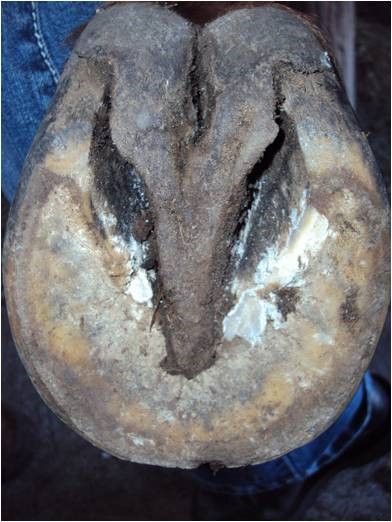
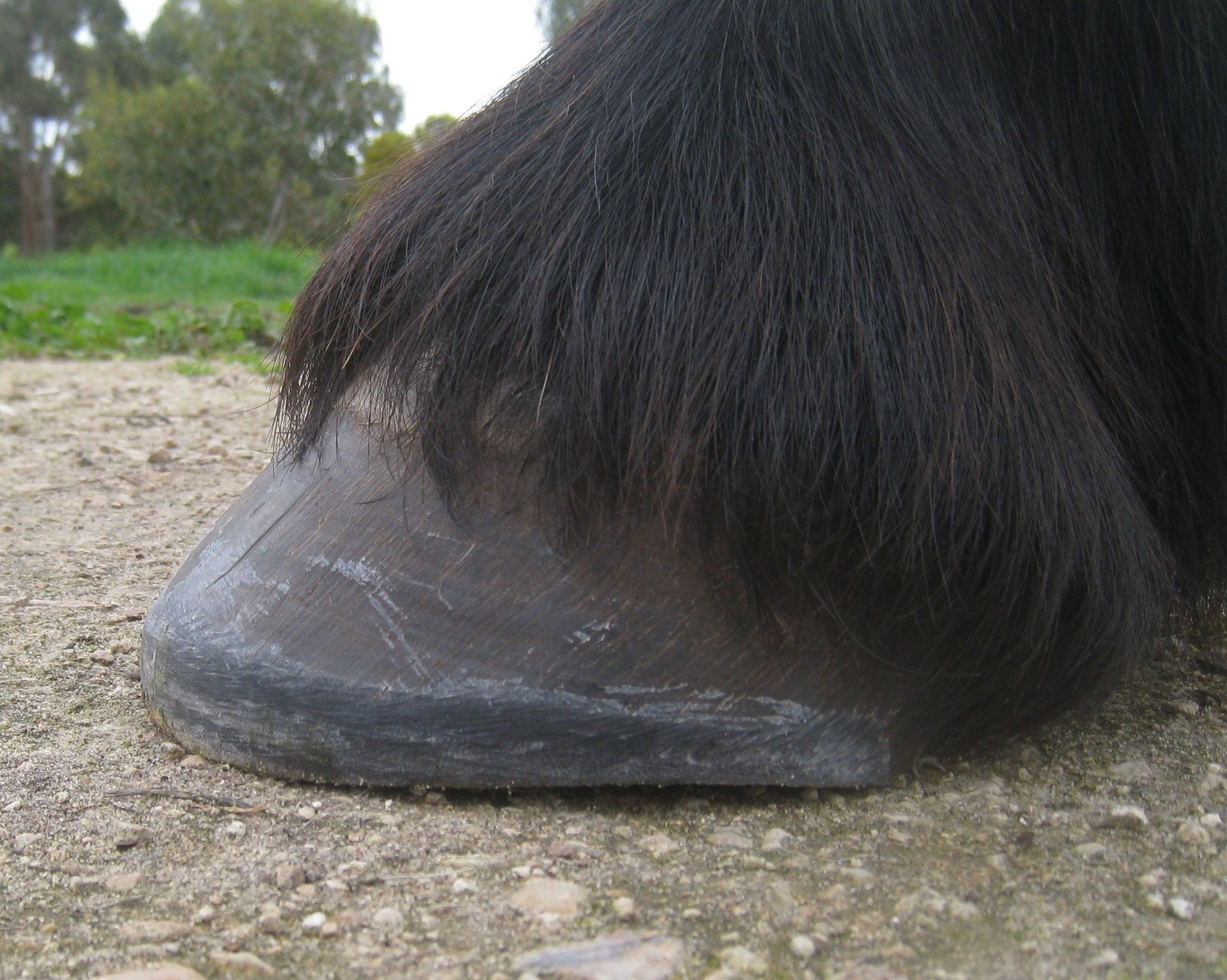
Thrush is common but not normal or healthy at all. This article explains how to diagnose, treat and prevent.
By Jenny Austin October 12, 2023
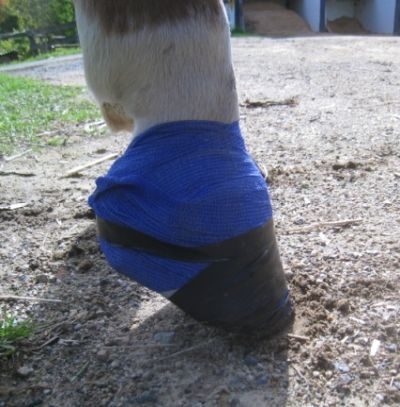
Diagnosis, Cause and Treatment of hoof abscesses
By Jenny Austin September 13, 2023
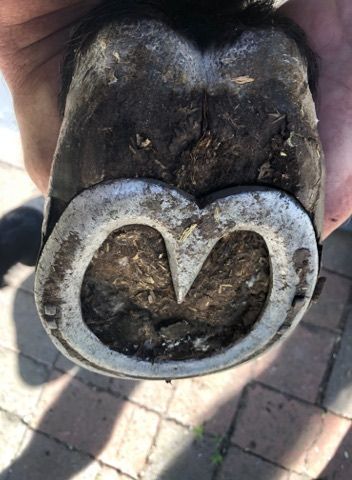
Jenny Austin explains why shoes are not recommended for Laminitis recovery
By Richard van Dijk June 13, 2020
Are you aware of the Five Freedoms in the Animal Welfare Act? This Blog explains how we interpret these and put them into practice in our daily dealings with our own and clients’ horses. They are: Freedom from hunger and thirst: by providing enough fresh water and the right type and amount of food to keep them fit. Freedom from discomfort: by making sure that animals have the right type of environment, including shelter and somewhere comfortable to rest. Freedom from pain, injury and disease: by preventing them from getting ill or injured and by making sure animals are diagnosed and treated rapidly if they do. Animals should have access to veterinary care when needed. Freedom from fear and distress: by making sure their conditions and treatment avoid mental suffering. Freedom to behave normally: by making sure animals have enough space, proper facilities and the company of other animals of their own kind. Number 1 Freedom of the Animal Welfare Act is “Freedom from Hunger and Thirst : by providing enough fresh water and the right type and amount of food to keep them fit”. Now this can sound very straightforward but it’s easy to get it wrong and is a massive topic. Here at TTT : · We ensure that horses in our care have 24/7 low ESC+starch grass hay, plus grazing. If they are losing weight we might add in some higher calorie hay such as lucerne or a cereal hay. · The most important part is that it’s 24/7 low starch, high fibre “trickle feeding” as suits horses digestive systems. · We have in our training contract that if owners wish their horse to have a bucket feed, that they must supply that as an extra, and we are happy to give them whatever is instructed. · We will contact the owner and suggest a more energy dense bucket feed if the horse is losing weight on hay/grass. · Our own horses have a small feed of rinsed and soaked beet pulp, lucerne chaff, salt, a custom mineral mix and some have other supplements as needed for joint and gut health. · Our horses, if in work, will have soaked, cracked lupins added and we give whole oats after hard work. · Of course, we always have fresh water available. · We have heard recently of a trainer using feed/water restriction as a training tool – that is cruel and unnecessary and would never, ever happen here. Number 2 Freedom of the Animal Welfare Act is “Freedom from Discomfort by making sure that animals have the right type of environment, including shelter and somewhere comfortable to rest.” This one is fairly simple- here at TTT: · Horses are paddocked with a suitable companion, not yarded or stabled, with room to browse and move around. There’s soft sand to sleep on, trees for shelter and a lovely outlook. Number 3 Freedom of the Animal Welfare Act is “Freedom from pain, injury and disease: by preventing them from getting ill or injured and by making sure animals are diagnosed and treated rapidly if they do. Animals should have access to veterinary care when needed.” This one is not as straightforward as it seems and is closely linked to Number 1 and 4. Here at TTT: · Equipment is tailored for the comfort of each horse, not for the trainers’ comfort, to eliminate pain from ill-fitting equipment. · We never hit or beat a horse with anything. · We never tie up their legs or similar acts which cause pain and injury. · We don’t work horses to exhaustion or expect paces that they are not physically ready for. · The environment is free from hazards and as safe as we can make it to minimise risk of injuries. · We ask owners to have their horses in good condition upon arrival, with their teeth and worming recently attended to and with full disclosure of previous injuries, illness and disease. · We only provide companions which are suitable for settling new horses, not those which will harass or are aggressive. · We feed as per Freedom Number 1 to keep the horses healthy · Owners are notified immediately of any health concerns and our contract states that we will call a Veterinarian anyway if we deem it necessary but we can’t reach the owner first. Number 4 Freedom of the Animal Welfare Act is “Freedom from fear and distress: by making sure their conditions and treatment avoid mental suffering”. This one is also complicated and very much open to interpretation. Here at TTT: · Our training method keeps the horses stress levels under their fear threshold. The physical signs of stress have been identified and well documented by the equestrian science community and because of our extensive experience we are able to immediately identify the symptoms of stress. Anything that escalates stress and adrenaline is counter-productive to good learning. · We don’t implement some common and popular training methods that can cause fear and distress. For example, excessive use of the round pen; excessive circling/lunging; use of restraints e.g. hobbles, side reins and the like; excessive use of lateral movements, etc. · We aim for calm at all times and achieve this by breaking down training outcomes into individual elements, then establishing one outcome at a time until it is thoroughly understood. Richard’s Passive Focus Exercise is one way to attain calm. · We do not progress to faster gaits until we have established good responses to our aids in the slower paces and until the horse has developed good strength and balance. This ensures smooth transitions, communication and minimum stress at all paces. Some points are copied from Freedom Number 3 as they overlap, i.e. physical and mental suffering can be caused by the same thing - · Equipment is tailored for the comfort of each horse, not for the trainers’ comfort, to eliminate pain (and distress) from ill-fitting equipment. · We never hit or beat a horse with anything (causes pain and distress) · We never tie up their legs or similar acts which cause pain and injury (and distress) · We don’t work horses to exhaustion or expect paces that they are not physically ready for. · We only provide companions which are suitable for settling new horses, not those which will harass or are aggressive. Number 5 Freedom of the Animal Welfare Act is “Freedom to behave normally: by making sure animals have enough space, proper facilities and the company of other animals of their own kind.” This one overlaps and encompasses the first 4 Freedoms. So, as a summary, here at TTT: · Horses have 24/7 spacious paddock living with grazing or ad-lib mixed species grass hay · They have carefully matched companions · They have trees and valleys for shelter · They are very closely observed throughout the day (and we can hear them at night) · We are extremely experienced and notice the tiniest issues before they escalate · We are educated in nutrition, hoof care, conformation and riding disciplines · Emotional, mental and physical health of the horses is our number 1 priority Richard van Dijk & Jenny Austin
By Richard van Dijk August 17, 2016
Get the hoof trimming done despite the dangers and bad habits, or make life easier for everyone in the long term?