Choosing a Trainer: What a Thoughtful Start Really Looks Like
Starting a horse under saddle is a big investment — financially, emotionally, and for the horse’s future. And because it’s such a big step, it’s completely understandable that people look for trainers who seem confident, capable, or who promise quick results. It’s also understandable that people compare prices. Horses are expensive, life is expensive, and everyone is trying to make the best decision they can.
The tricky part is that in the horse world, it’s not always easy to tell the difference between training that looks impressive… and training that is actually good for the horse.
Some approaches produce fast results, sometimes within a few weeks, and to someone watching from the outside, it can look like amazing progress. The horse is moving, responding, going under saddle, maybe even cantering or “working in a frame.” It’s natural to think, “Wow, that trainer is good.” And for many owners, another thought follows quietly behind it: “If it’s this fast, maybe it’ll cost me less.” That’s a very human, very understandable reaction.
But fast doesn’t always mean fair. And quiet doesn’t always mean calm. And “going nicely” doesn’t always mean the horse understands what’s being asked. Often trainers are seen at all the fast gaits which impresses people, but does the horse stand for mounting? Does the horse walk calmly on a loose rein at all times? Does the horse only know to have high energy or has it been taught that slow and calm is it’s first go-to?
Most owners aren’t taught how to recognise fear‑based training. Why would they be? It’s not their job. They’re doing their best with the information they have. And fear‑based training can look very polished when you don’t know what you’re looking at.
The truth is that horses — especially young, green horses — are not physically or mentally ready for certain movements early on. They’re not built to canter circles, carry a rider in collection, or “be on the bit” for quite some time. When they do these things early, it’s usually because they’re overwhelmed, confused, or trying hard to avoid pressure.
Sometimes they even look very quiet — not because they’re relaxed, but because they’ve gone a bit shut down. To the untrained eye being shutdown isn’t dramatic; it’s subtle. It’s just a horse that has stopped offering opinions because it’s trying to cope. To someone watching, it can look like good behaviour. To the horse, it’s simply self‑preservation.
None of this makes the owner wrong. None of this means they’ve made a bad choice. It just means the horse world is full of mixed messages, and it’s easy to get swept up in what looks like progress.
A good start is slower, more thoughtful and way more boring to watch. It builds understanding, confidence, balance, and trust — the things that last a lifetime.
How Slow, Thoughtful Training Prevents Problems Later
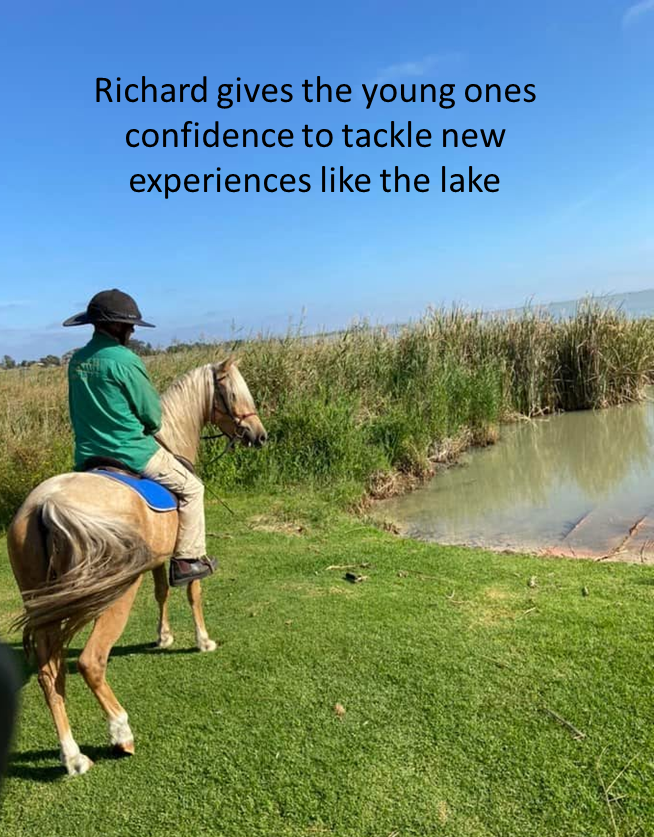
When a horse is started quietly and with care, it learns how to cope with new experiences without becoming overwhelmed. It learns how to stay balanced, how to organise its body, how to respond to pressure without fear, and how to trust the person working with it.
This kind of foundation pays off for years to come. Horses that are started thoughtfully tend to stay more confident in new environments; handle pressure without panicking; develop better balance and posture; stay sounder because they’re not pushed too early; understand their rider instead of guessing; offer genuine willingness instead of forced compliance.
They’re also far less likely to develop the “big” problems people talk about later on — bucking, bolting, rearing, refusing to go forward, or becoming “difficult.” Most of those behaviours aren’t random. They’re the result of confusion, imbalance, or fear that started early and grew over time.
A thoughtful start prevents those seeds from being planted in the first place. It’s not just about the first few months. It’s about the next twenty years.
Choosing a Trainer Carefully
Choosing someone to start your horse is one of the most important decisions you’ll make in your horses life. It’s completely understandable that people look at price, timelines, confidence, or how quickly a trainer can “get things done.” Perhaps the best question to ask isn’t “How fast will my horse be going?” It’s “How will my horse feel while they’re learning?”
A good trainer won’t rush your horse. They won’t push movements the horse isn’t ready for. They won’t rely on fear or overwhelm. They won’t promise dramatic progress in a few weeks. Instead, they’ll focus on: clarity; balance; confidence; understanding; welfare; long‑term soundness and building a horse that stays willing, curious, and safe.
It’s okay to take your time choosing. It’s okay to ask questions. It’s okay to prioritise your horse’s wellbeing over speed or cost.
A thoughtful start is an investment — not just in training, but in your horse’s future.